The quiet click of instant cameras has a way of freezing moments that might otherwise slip through the cracks of daily life. Across a crowded park or a mountaintop view, Leica binoculars remind people to look closer, to notice details that often go unseen. These objects hint at a simple truth: physical memories matter. Holding something tangible allows experiences to linger in ways screens and pixels never quite manage. A photograph, a postcard, or a small keepsake carries stories that belong to both the moment and the person who treasured it.
The Magic of Holding Memories
There is something grounding about physically holding a memory. A printed photograph tucked inside a book, a ticket stub folded in a wallet, or a letter pinned to a fridge does more than record an event; it becomes part of everyday life. When stumbled upon years later, these items can awaken emotions that feel startlingly vivid. Unlike digital images stored on a device, physical memories have a way of finding people, reminding them of experiences long forgotten but never truly lost.
Take a childhood photo album, for example. Pages may stick slightly together, corners may curl, and fingerprints linger on glossy surfaces. Each mark tells its own story, not just about what was captured, but about who looked at it, who laughed over it, and who cared enough to keep it safe. The act of flipping through pages slows time, encourages reflection, and makes memories feel earned rather than consumed.

Stories Anchored in Objects
Families often rely on objects to pass down stories. A watch worn by a grandparent, a handwritten recipe card, or a faded postcard carries weight and history. These items act as storytellers themselves, inviting questions, conversation, and connection between generations. Digital files may hold the same information, but they rarely spark curiosity, nostalgia, or reverence in quite the same way. Objects are storytellers with a personality, a texture, and a history that clicks in the mind as a gentle reminder of life lived.
Physical memories also shape how people experience the present. Knowing that a moment will be captured in a tangible way changes how it is lived. There is a pause, a breath, an awareness that this instant matters. During weddings, family reunions, or weekend trips, having a physical keepsake encourages people to be fully present. They look up, they listen, they take mental snapshots alongside the ones that will be printed or saved.
The Hidden Power of Everyday Keepsakes
Travel provides another glimpse into why physical memories matter. Souvenirs often get dismissed as clutter, yet many travellers keep them for decades. A shell from a quiet beach, a small sculpture purchased in a local market, or a map with handwritten notes can instantly transport someone back to a specific place and feeling. These objects hold layers of context, smells, sounds, and tastes that a photo alone might miss. Physical memories act as sensory bookmarks, linking the past and present in a way that feels immediate and real.
Even imperfections have a story to tell. Faded photos, cracked frames, or bent corners reflect the passage of time. They remind people that life is not meant to be perfectly preserved. In contrast, digital memories often strive for flawlessness, endlessly edited or filtered, which can make moments feel less authentic. Physical items carry their own scars and personality, just like the people who hold them.
Quiet, Personal, and Private
Physical memories offer privacy in a way screens never do. They do not demand likes, comments, or attention. They exist quietly, waiting to be rediscovered. This solitude allows emotions to surface naturally. A person can sit alone with a keepsake, reflect on it, and let it mean whatever it needs to point in that moment. The act of remembering becomes a private ceremony, personal and honest.
Objects also invite shared storytelling. Pulling out an old photograph or heirloom naturally gathers people together. Laughter, nostalgia, and curiosity flow freely. Memories become living, breathing conversations. Screens can display images, but they rarely create the same kind of collective attention and connection. Physical memories help people slow down, pay attention, and bond.
Teaching Roots Through Tangible Memories
Children surrounded by physical memories often develop a stronger sense of continuity and identity. Seeing evidence of parents’ or grandparents’ lives helps them understand where they come from. They feel rooted. When memories exist only in the cloud or on a phone, they can seem abstract, disconnected, and fragile. Physical objects provide permanence, giving children and adults a sense of belonging.
Physical keepsakes also teach people to value small, ordinary moments. Not every memory is dramatic or photo-worthy. Sometimes it is a scribbled note, a pressed flower, or a notebook filled with doodles. These items remind people that life is made up of quiet, imperfect, yet meaningful moments, and they deserve to be remembered.
Physical Memories in a Digital Age
This is not about rejecting technology. Digital tools make capturing and storing moments easier than ever. Yet, physical memories offer depth that digital files cannot match. They encourage curation, reflection, and intentionality. Choosing what to keep and why gives those memories weight. They become more than data; they become anchors in life’s fast current.
As life grows faster and screens dominate, physical memories act as gentle counterbalances. They remind people that experiences are more than fleeting clicks or swipes. They are moments lived, felt, and cherished. A single object, a photo, a ticket, a souvenir, can hold years of laughter, love, and lessons. That is why physical memories still matter today. They are companions, guides, and storytellers in a world that moves too quickly.
Holding onto the tangible is a way of slowing down, savouring, and connecting with life itself. Physical memories are not relics; they are reminders that moments, once lived fully, never really leave.





















 painting. It involves attaching into the opposite of the first stretcher a fresh piece of cloth, rather a thin but exceptionally stiff fabric like polyester sailcloth. The painting isn’t in any way disturbed. The procedure shouldn’t be confused with the procedure conservators predict “lining,” that is a process where the original canvas is stuck to a different fabric to be able to fortify it.With the cloth in position, there is less chance of crossbar-related cracks growing through effect, as a continuous surface, in place of the crossbar borders, would be reached. A further advantage was demonstrated in vibration tests demonstrating a marked decrease in canvas displacement in response to low-frequency vibration.


 Embossing/Debossing
 Bleeds, boundaries and secure areas
 That being said, I would need to argue that there is a possibility of “art” in any area, which needs human creativity. When you
  Aside from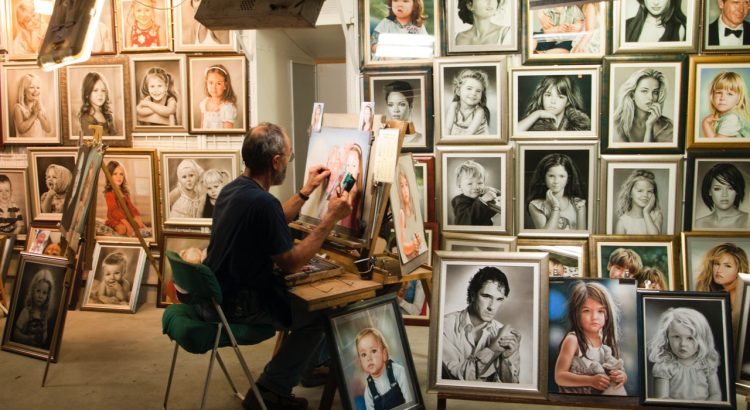
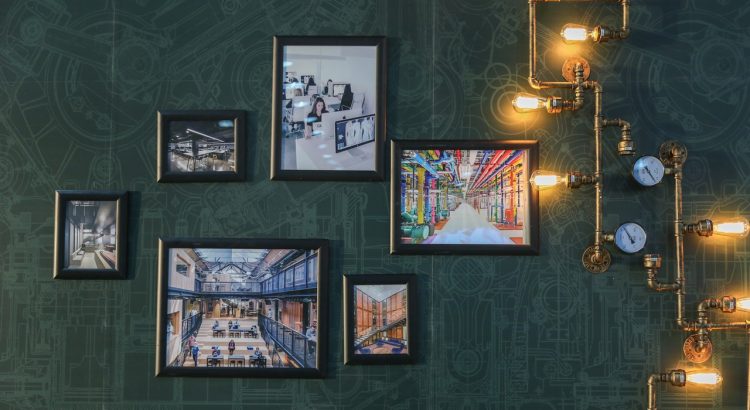
 Hanging your display
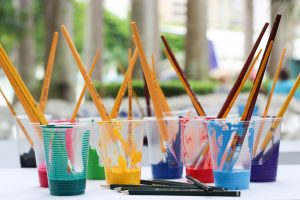 Welcome to the Grey Eye Society, a wine and art course that Nowicki runs at the attic space of Melbourne’s Foolscap Studio. Nowicki clarifies Grey Eye as “a drinking club with a drawing problem”, an opportunity for individuals to research or reconnect with the joy of drawing while learning something about wine — and, of course, fulfilling other like-minded spirits over a glass of something yummy.
 website to showcase your creative work.